Introduction– The importance of the scalp health including Scalp Massager
Your scalp isn’t just hair. It has skin that makes up a living system that has thousands of hair follicles, oil glands, blood vessels, nerves, and numerous microscopic microbes. All these components collaborate with each other in order to manage the way your hair grows and the healthy appearance of your hair. Issues that begin on the scalp such as chronic inflammation, improper ratio of microorganisms, excess or lack of oil, insufficient blood circulation or loss of nutrients reveal themselves as dandruff, itch, scaly skin, infections or increased loss of hair.
Remedy of such issues tends to make hair look more presentable as well as minimize loss of hair. Recent studies indicate that the scalp microbes and local inflammation play a major role in popular conditions such as dandruff and seborrheic dermatitis.
Table of Contents
1.Scalp anatomy and the hair growth cycle -the basics.
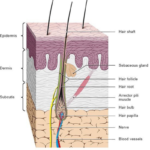
Skin structure: The scalp is identical to others in number of layers (outer and deeper), except that it has a lot more hair follicles and a lot more oil glands. A hair follicle is a small organ which passes through growth and rest.
Hair cycle stages
Anagen (growth): Lasts for several years on the scalp (2 – 7+ years). The more time the follicle remains in its anagen stage, the longer the hair remains on the head.
Catagen (transition): brief stage (2-3 weeks) in which the follicle ceases to grow;
Telogen (Resting/Shedding): Approximately 3 months; after then, the hair falls out and a new growth cycle begins.
The importance of the scalp environment The cells within the follicle are highly active in the anagen stage and require to be well-vascularised, have a serene immune climate (low chronic inflammation) and a healthy skin barrier and balanced microbes. When any of these become malfunctioning, follicles may enter into anagen prematurely and undergo telogen resulting in thinning or additional shedding.
2.The Scalp Microbiome, Sebum and Inflammation – What does Science Tell Us
Microbial community: A great number of bacteria (such as Staphylococcus and Cutibacterium) and fungi are present on the surface of the scalp, the majority of which are Malassezia. Studies have also shown that dandruff and seborrheic dermatitis are frequently associated with conditions called dysbiosis (dys-function of the normal micro-ecology in the skin), where certain micro-organisms (such as Malassezia) over grow causing inflammation and scaling. It is not only a single microbe that is a cause of the problem; the interaction of the microbes with sebum and the immune system of the body has an impact.
Sebum (scalp oil): Sebum provides the hair and skin with moisture and forms the microbial environment. An excess of oil will assist yeast and certain bacteria to grow. Insufficient oil may result in peeling and redness of another kind. The aim is to maintain a healthy level of sebum, and not to deprive oneself of it.
Inflammation and hair loss: Low grade inflammation in the area of the follicle (caused by microbes, irritant or autoimmune causes) can lead to reduction in anagen duration and hence hair shedding. This is the reason why it is important to treat baseline inflammation (with medicated shampoos, topical creams or more potent medicine when necessary) to retain hair.
3.What will become of you when you do not take care of your scalp.
Failure to take care of your scalp or use hard products may cause:
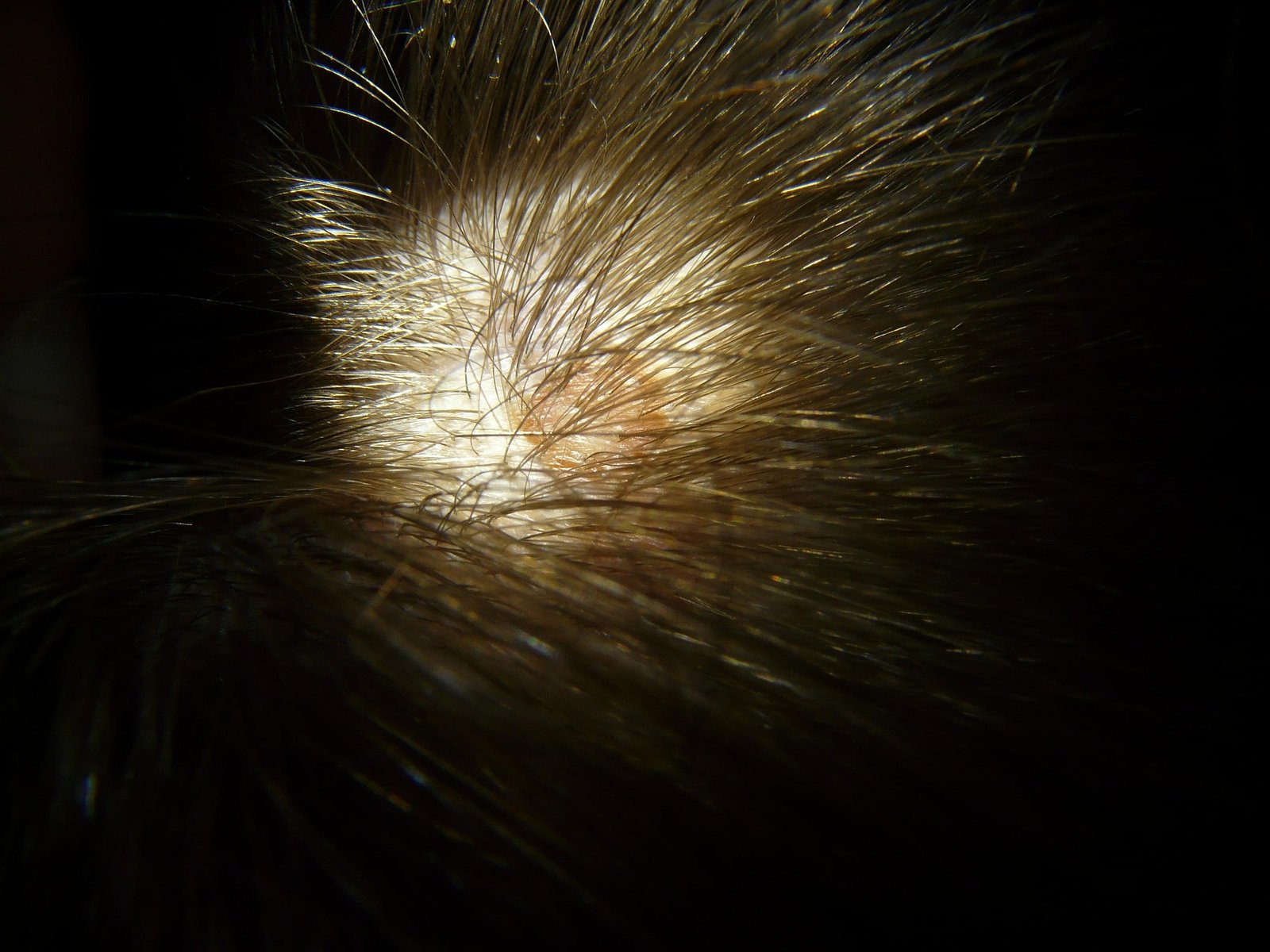
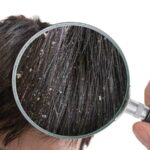
Dandruff and seborrheic dermatitis are the two most common ailments of this series which are present in the form of dry, itchy scaly patches due to inflammation, often due to overgrowth of Malassezia bacteria.
- Oiliness and greasiness: Aggravates the microbial disequilibrium and causes the hair to appear limp.
- Scalp Dry, dry, scaly, tightly scaled (not like greasy dandruff).
- Folliculitis or bacterial infections: present themselves in the form of small red bumps or pustules.
- More hair shedding and poorer hair quality: Continuous inflammation and unremed diseased scalp cause you to lose more hair rapidly and reduce its density.
4.The perks of having a healthy head.
Maintaining a scalp in a state of health provides for actual benefits:
- Reduced itching, flaking and inflammation – more comfort and a more attractive appearance.
- Increased retention of hair and even increased density due to longer growth of follicles.
- A reduced number of infections and the necessity of prescription medicine is decreased when small issues are detected in time.
- Minoxidil and other hair-growth treatments are more effective when the head is relaxed and in good health, and more accepting and absorbent of the product.
These advantages are observed in daily practice and research that demonstrates the correlation between scalp inflammation and microbial disproportion and hair results.
5.Scalp care routine (daily/weekly) evidence based- practical and realistic and use of Scalp massager
The same routine is not necessary to all. Two evidence-based templates can be customized as below.
Health of the general scalp (average man).
- Frequency of washing: Equal to the level of oil. Shower on a daily basis when hair becomes oily, change to every other day or every three days when hair is dry. Apply a low ph, pH balanced shampoo.
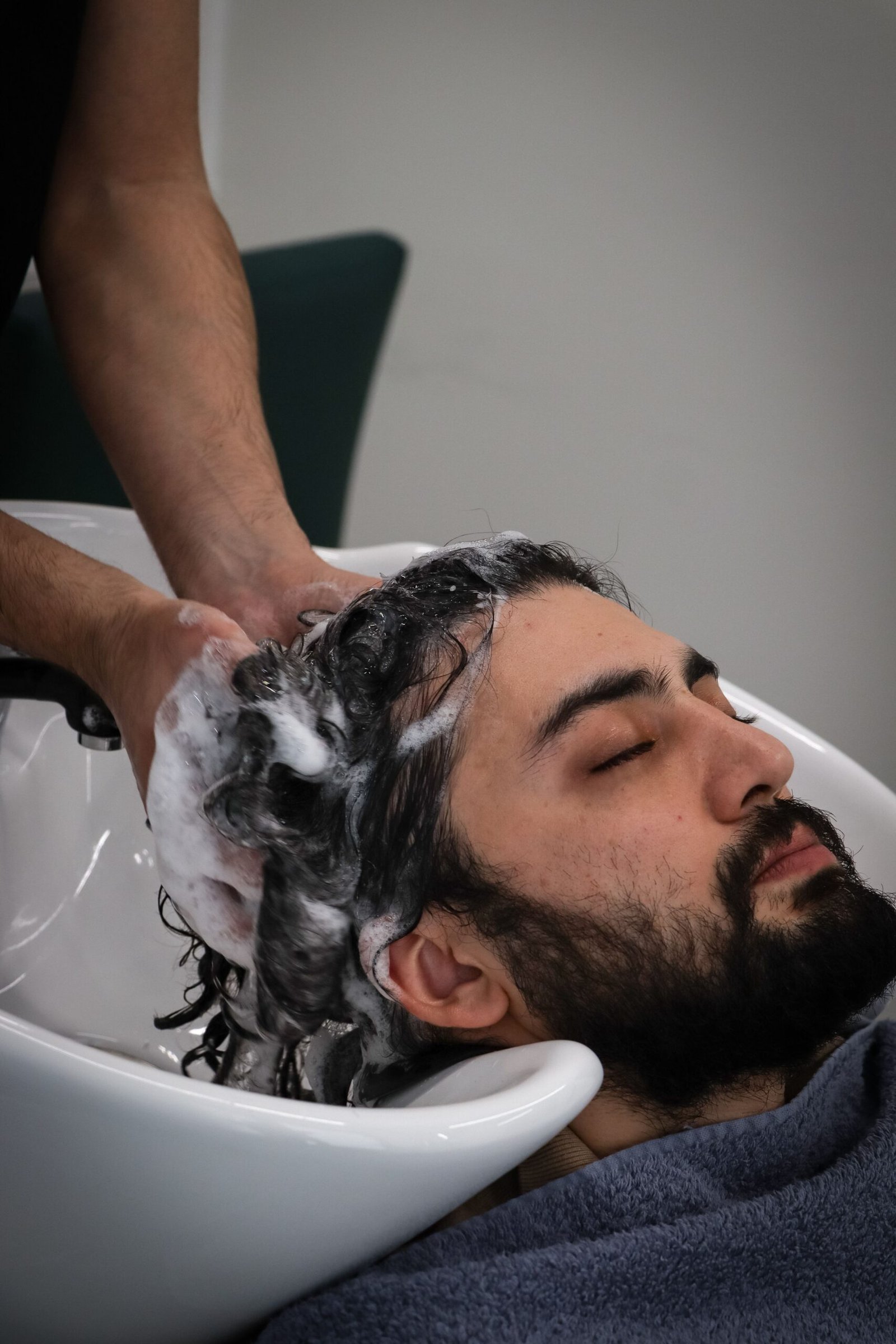
- Massage: Take 2 5 minutes to massage your scalp with the tips of your fingers during the shampooing (or alone) to enhance blood flow and have fun.
- Conditioner: Add only down the hair strands, but not on the head when you are oily.
Protective cover: Wear a hat or use scalp SPF products for exposed skin.
If you suffer from dandruff or seborrheic dermatitis
Myconazole in hair preparation: Anticonazole shampoo (ketoconazole 1-2% (amiconazole), salts of selenium 1-2.5%, zinc pyrithione 1-2.5%) (2-3 times a week) Allow the shampoo to come to pass and then rinse it off. These agents combat Malassezia and reduce inflammation and flaking; they have been found to be effective on lots of individuals.
- Follow-up: follow-up, once a week, after control. In case of severe condition or recurring condition, consult a dermatologist – topical steroids or prescription medication may be required.
Practical tips
- Do not rub rough: Friction may be irritating and aggravating.
- Avoid piling up active products (e.g. medicated shampoo + strong daily exfoliant) that may remove the skin barrier.
- DIY is not to be taken care of when your skin is swollen or torn.
6.Nutrition & scalp health -Nutrients are nutrients with evidence, testing and dosing
Nutrition is the foundation. Absence of nutrients increases many scalp problems or in other cases, it causes them. A combination of correcting established deficiencies is beneficial, but supplementation without testing can be rather detrimental to health.
Principle: The shortage of iron, vitamin D, zinc, and certain B vitamins is more often associated with scalp or hair issues than the high dosage of the so-called super supplements. Never ignore when you feel deficient and cure on the recommendation of a clinician.
Most evident clinical association of nutrients is described below.
Iron (ferritin)
Why is it important: The iron is required to help the cell grow and also provide the hair follicles with energy. Telogen effluvium and diffuse hair loss can be associated with low ferritin (it is a body storage of iron). Ferritin is found to be low in many women who are losing their hair yet the cause is not apparent.
Ferritin serum and complete blood count (CBC): How to test. Ferritin cutoffs (e.g., less than 30 50 ng/mL) can also be used by some doctors as a treatment warning that a person has lost hair, specifically at which point the levels may come back-the real values are not determined.
Can take a supplement (when deficient): Take oral ferrous sulfate (325 mg tablet = 65 mg of elemental iron) as usually one tablet per one day or every other day, or as 100 to 200 mg of elemental iron per day in bits that one can handle. Treatment should last months until ferritin levels normalize and the symptom is relieved. Iron may bring about nausea and excess here is harmful- see before the use of therapeutic intakes.
Vitamin D
Why it is important ,Of the possible skin mucous membranes, vitamin D receptors can be found in hair follicles, and some forms of hair loss, including female pattern hair loss and alopecia areata, are associated with low levels of serum 25(OH)D. Replacement of a deficiency can be of assistance to some.
Mode of testing: Screening of serum 25-hydroxyvitamin D.
Dose guidance: Doses of 800 sleep -2000 IU/day are the dose range that is commonly used in overall health Jetty; higher doses with a follow up is often used to comprehensively treat deficiency. Do that at the supervision of a doctor.
Zinc
This is important: Zinc assists in the production of the keratin and the immune system. Some hairlosses like alopecia areata have been noted to be low in zinc, however high dose used with routines has not always been found to be effective in hair loss.
Dose instructions: The typical dose is 8 11mg/day which is the recommended daily allowance (RDA) of most adults. In the event of deficiency, a temporary supply can be supplied about 15-30mg/day. Copper deficiency–monitor Levels above 40 mg/day intake may occur after a long period.
Biotin (Vitamin B7)
The reason why it is important: When an individual has a true biotin deficiency, one of the effects of this is the thinning of hair although this is very seldom the case in persons who consumes a balanced diet. No benefit of high-dose biotin is apparent in individuals who are not deficient as seen in review studies. Huge doses will also have space effect with certain lab tests like the troponin tests and thyroid tests. It should be used in case of deficiency, which is suspected or confirmed.
Dose instructions: The recommended dosage is approximately 10mg/day to 300mg/day (or very small).
Proteins and essential amino acids.
The significance of this: Hair is composed principally of keratin, which is a protein. Extreme protein malnutrition halts hair. Eat sufficient protein with regard to eating protein amounting to approximately 0.8 g of protein per kilogram of body weight daily; however, others require more. Two sulfur amino acids, cysteine and methionine, are of significance to the organization of the keratin.
Omega-3 fatty acids
Why it is important: They minimize inflammation and can positively influence the state of the scalp and the hair shine in some researchers. Healthwise intake ranges vary widely between 250-1000 mg of combined EPA/DHA intake on the daily; research specific to hair is inconclusive but may be a useful supplement.
Bottom line: In case your hair shedding is new, abrupt or uncharacteristically high, then basic tests first, CBC (to suggest anemia), ferritin, thyroid, vitamin D and B12 (if necessary). Go through stages of medical advice rather than going through the excessive amount of high-dose supplements individually.
7.Home remedies & safe practices at home (what is helpful, and how safely):
A large number of home prescriptions have plausible mechanism, and chances of small evidence; they tend to be harmless when properly administered. Put aside whatever annoys your head.
- Held dandruff (first-line) Shampoos containing drugs
The ketoconazole (1 2 percent) selenium sulfide (1 2.5 percent) and zinc pyrithione–all of them have trials demonstrating a reduction of flaking and itch and Malassezia fungus. Take them according to the indications, 2-3 times a week when it is and less when it is an active process. Ketoconazole shampoo is effective in controlled studies.
- Tea tree oil (diluted)
It possesses anti-bacterial and anti-fungal effects. There is little literature on it, small studies indicate that it is useful in mild cases of dandruff applying to shampoo, but it is irritating. It should always be diluted followed by a patch test. Normal concentrations in the study are low (e.g. 2-5%).
- Coconut oil
It smooths the skin, was also partly anti-microbial, and perhaps slightly anti-browning. Wear as a pre-wash cloak: apply, or leave on, 30 -120 minutes, and then wash. Dont take it when you break up in the area of your hair line.
- Aloe vera
It painsthes soothes and is anti-inflammatory; apply pure gel to the surface in small intervals and spray for a few minutes and rinse. Majority of the evidence is supportive or anecdotal but makes biological sense.
- vinegar rinse Apple cider vinegar (ACV)
It can led to changes in the scalp pH and decrease in yeast through its acidic nature. In case you do, mix 1 part of ACV with 3-4 parts of water and rinse with a lot of water. No open lesions or irritated skin.
- Scalp massage
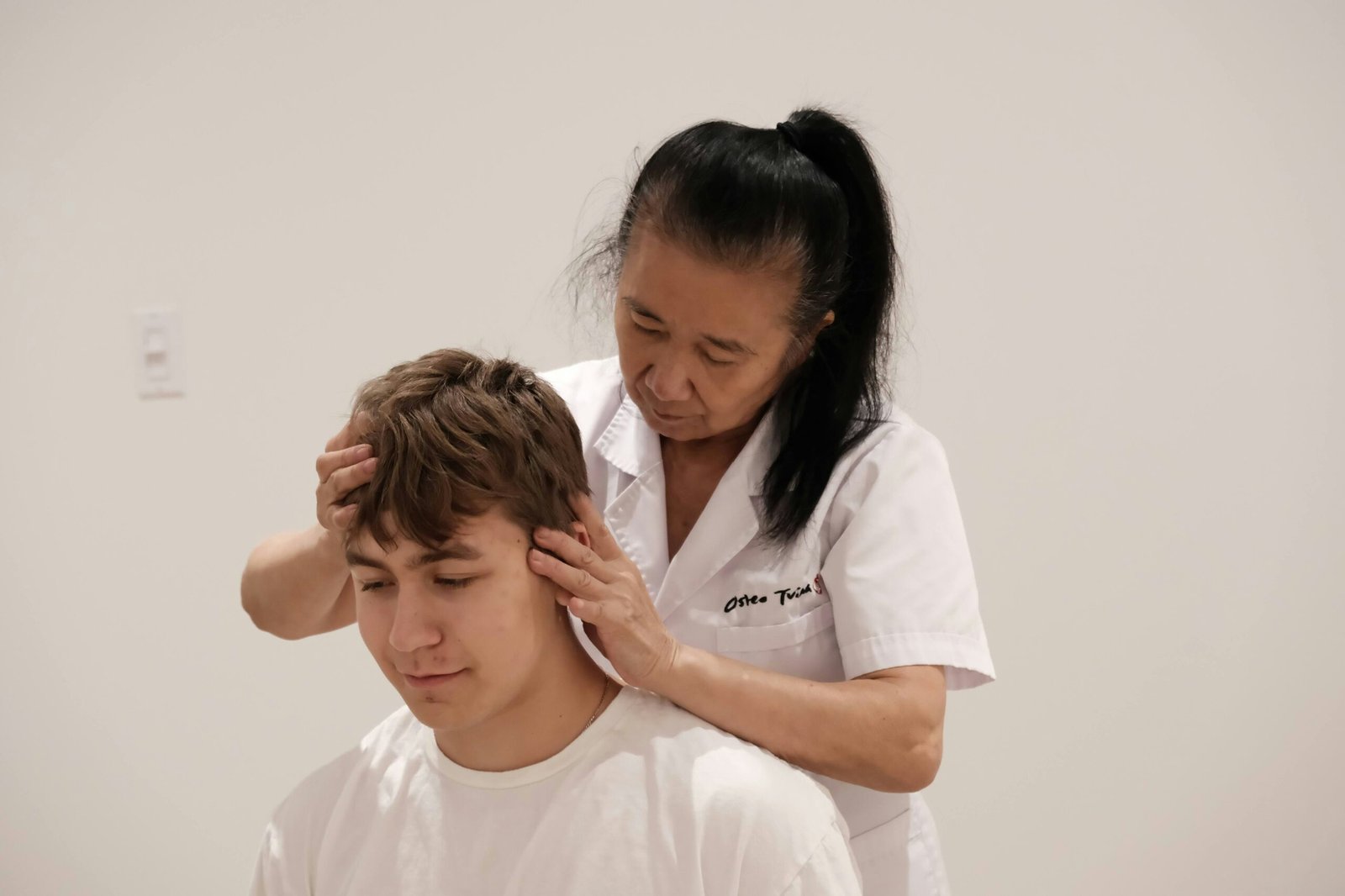
Massage 35 minutes a day with fingers, but not nails you can use any scalp massager too. A few minor studies demonstrate that it improves blood circulation; it is a low-danger habit making it also less stressful.
Key warnings: It is to be noted that in case of red, painful and oozing lesions, pus, scabbing concentrations, and rapid loss of hair, cease home treatments and consult a medical clinician.
8.Emerging and medical therapies- what the research indicates.
The popularization of treatments, which directly address scalp biology and hair-follicle biology is on the rise. Some of the commonly discussed alternatives with the evidence snapshot are given below.
A. Low level laser therapy (LLLT) / red light:
What: Low-intensity red or near infrared light is delivered to the scalp with various devices ( Canberra Comb or helmet).
Evidence: Randomised trials and meta-analyses indicate that LLLT is able to escalate the presence of hair relative to sham in cases of androgenetic alopecia in cases where the devices are sound. The outcomes depend on equipment, protocol and on a patient. There are regulative approvals on the possession of some devices. LLLT may be a sensible type of non-invasive accompaniment treatment.
B. Platelet‑Rich Plasma (PRP)
What: The platelet-focused blood plasma is injected in the head.
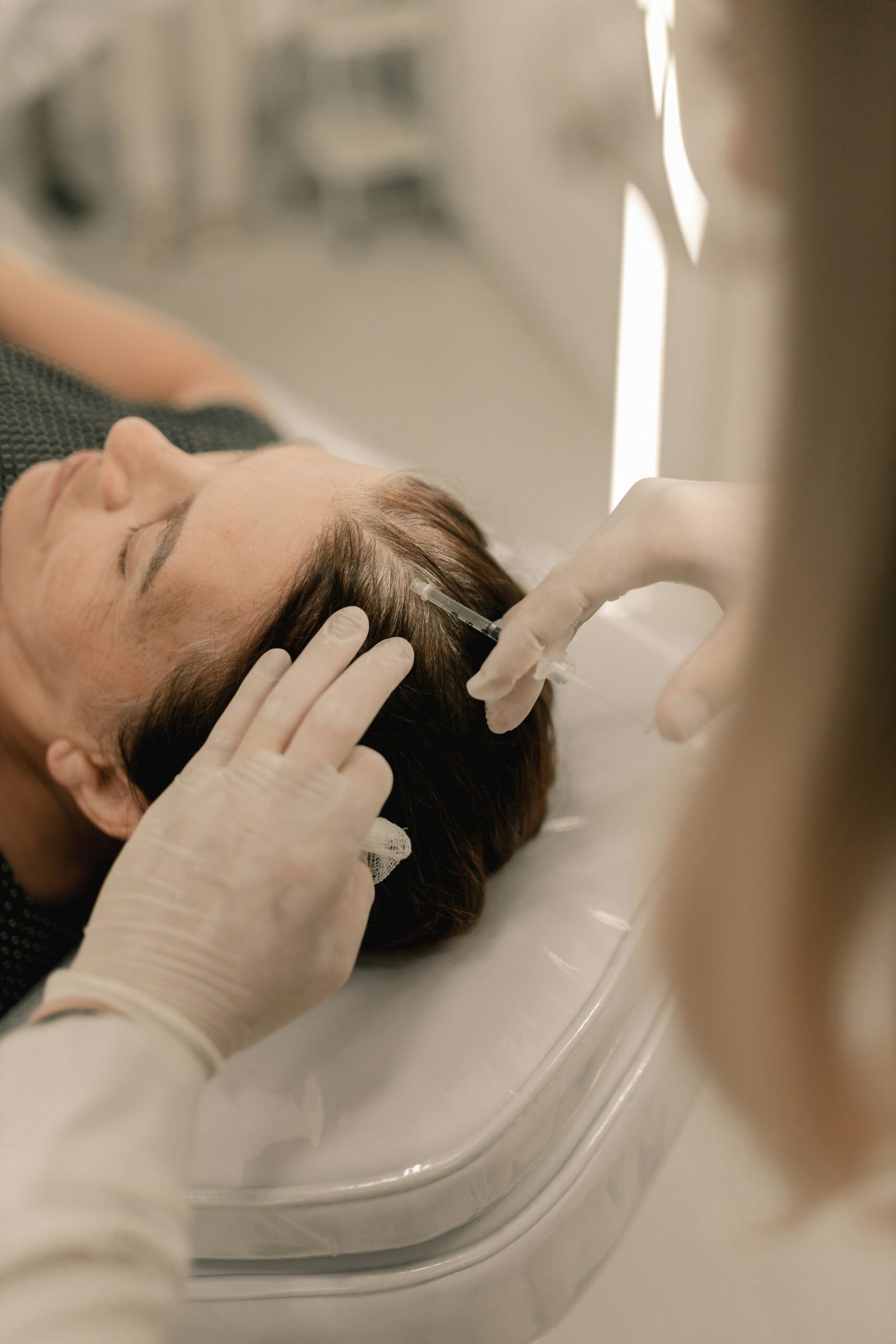
Evidence Evidence indicates that PRP has the potential to increase the hair density and the number of hair in androgenetic alopecia and it may benefit certain instances of hair loss among women. The protocols vary (quantity of blood, volume blood, frequency). PRP has potential, and standardization and long-term data are yet to be established.
C. Microneedling
What: controlled micro trauma is used in order to activate the healing pathways and enhance topical drug penetration.
Evidence: Small RCTs can be used to prove added value when combined with minoxidil compared to using minoxidil alone in the treatment of androgenetic alopecia. One should use technique and sterility to prevent infection.
D. Microbiome specific topical products/ postbiotics.
What Shampoos and serums that stimulate negative species but preserve beneficial microbes, allegedly with or without pre-biotics/ post-biotics or light antifungals.
Evidence: Current clinical research and formulation: Rebuilding microbes and healing the barrier has been shown to reduce dandruff and irritation of the scalp, early clinical trials and formulation research indicate this is a promising field of research.
E. Pharmaceuticals
The treatment of androgenetic alopecia includes minoxidil, which is applied topically at the scalp, and finasteride, an esthetic medication, which is administered orally. There are other methods under development of giving finasteride on the skin and combinations of these treatments. Immunomodulating drugs have been tested as a suitable treatment of the inflammatory or autoimmune loss of hair like alopecia areata and have been adopted off-label in certain situations. Apply scalp care to these drugs to improve the result.
Numerous beauty equipment and creams purport to do it. Inquire whether research has been carried out, whether it is approved or disapproved by the regulators or if it had undergone review by experts. In case of doubts, consult a skin doctor.
9.Scalp vs hair- The appropriate metaphor.
Dwarf of the head brain to soil, Dwarf of the pate to plants. Good health of the follicles, dietary blood, and maintenance of a sound rotary and oil diffusion begin with the presence of healthy follicles, charge free of persistent inflammation, and the presence of general equilibrium in the count of bacteria and oil. The temporary makeup of bright hair can be done by using conditioner, whereas the actual long term hair is conditioned by the health of the scalp, nutrients, hormones and genes.
10.Red flags — When to see a doctor
Get immediate medical attention if you have:
- Depending on the length of the calcium loss, sudden heavy shedding, i.e., all over or in patches.
- Damage of the head, soreness, swelling or bleeding spots.
- Quickly increasing bald spots particularly that’s broken hair or scaly.
-Evidence of a whole body health crisis like tiredness, coldness or weight gain which could likely be evidence of thyroid problems or other diseases. - You are pregnant, breastfeed, or using the drugs that may not be compatible with the supplements or treatment.
A clinician will usually take a history, will look at your scalp, and order some useful blood tests (CBC, ferritin, thyroid function, vitamin D, B12). They can additionally perform a dermoscopy/ scalp biopsy on request.
- This week checklist you can use in your practice.
- Check oiliness and frequency of washing hair manage oily scalps: When the scalp is oily, shampoo three to four times per week; when it is dry, the shampoo frequency must be reduced because of the lightweight shampoos and conditioners contained in them.
- In case of flakes or itching: begin to use an medicine shampoo (ketoconazole, zinc pyrithione or selenium sulfide) 2-3 times a week: 4-6 weeks and re-examine. See a dermatologist in case there is no improvement or a worsening of the same.
- Basic tests are good to do in case you are shedding, CBC ferritin BSH-TSB vitamin D and B12 when necessary. Address the following deficiencies with the assistance of a clinician.
- High-dose biotin should be avoided unless it is established that you are deficient in it – it causes a mistake in laboratory tests.
- Scalp massage length should be 2-5 minutes daily.
- Retaliate in terms of heat and hair that is pulled close, keep your scalp out of the sun.
- If you are interested in trying advanced therapies (LLT, PRP, Micronedling), consult with a qualified Dermatologist or Hair Professional. Inquire regarding expense, what are you likely to accomplish and safety.
- Legal sterotyping and resolutions.
Myth: “Biotin at huge amounts will stimulate hair scalp.
Fact: It only works to the advantage of people that do not have biotin. The vehicle amount dose is unhelpful to same persons and is disruptive to laboratory findings.
Myth: “Dandruff is dry scalp.”
Fact: Dandruff and seborrheic dermatitis are typically caused by yeast and inflammation – dry scalp is a different condition, one that is typically not caused by yeast.
Myth: “You should wash your hair to avoid hair loss.”
Fact: The normal washing has the ability to pull out already shedding hair but does not cause hair fall. Scalp is irritated by very harsh shampoos.
11.Weaknesses of the evidence & practical expectations.
The majority of hair studies do not have many participants, employ various methods and calculate the results differently, thus the results vary. The diet and lifestyle modification may require months to produce results since hair does not grow fast- look till at least 3 months later. New methods such as PRP, LLLT do not work as miracles. They tend to produce low or moderate levels of improvements and they are best used in combination with known treatments like minoxidil and finasteride in case of androgenetic alopecia.
SUMMARY
You should clean your head but do not overly wash it; depending on the level of oil on your head, you should do it either daily or after few days.Take dandruff or seborrheic dermatitis with indirect-use medicated antifungal Shampoos.Unknown Check iron, vitamin D: fill holes in case of continuing to shed hair.Set-outs should not be taken as high doses of single vitamins such as mega biotin unless one is found to be deficient.Ask a professional about LLLT, PRP or microneedling. They have the power to rescue, and not all are helpless, not reaching real success without due direction.
https://urhealthndwealth.com/best-9-tips-how-to-remove-split-ends-at-home/






1 thought on “1 BEST SCALP HEALTH TIP AND SCALP MASSAGER”